
News
When is the best time to irrigate wheat in winter without reducing yield by half
The wheat seedling stage is the most critical period for wheat growth and development, as well as the longest growth stage. It not only requires experiencing dry and rainy autumn and spring, but also long periods of low temperature, rain and snow weather. Proper management of the seedling stage and cultivation of robust seedlings are prerequisites for improving wheat's cold and drought resistance. Before entering winter, doing a good job of winter irrigation is the most important step in cultivating strong seedlings. When is the best time for winter irrigation of wheat?
Tillering stage of wheat
During the 150 day growth and development process from emergence to jointing, wheat undergoes a tillering period of over 3 months, which is also an important period for determining the number of spikes per acre and laying the foundation for large spikes. Therefore, the focus of field management during the tillering stage of wheat is to promote root growth and tillering, and to control weak and vigorous growth. In the process of tillering, seedlings not only need to absorb a large amount of nutrients, but also need sufficient water. Adequate water is also very important under the premise of applying sufficient base fertilizer.
Entering November, the northern region will enter winter. As the weather gradually turns colder, wheat will also enter a winter dormancy period. How to carry out winter irrigation to benefit the growth of wheat?
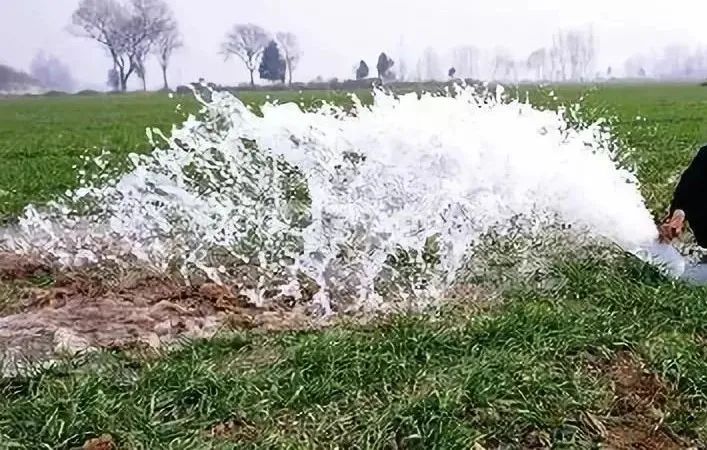
The benefits of winter irrigation of wheat
1. Can stabilize the ground temperature and prevent freezing damage to dead seedlings.
2. Can solidify soil, crush debris, and eliminate overwintering pests.
3. The combination of winter water and winter fertilizer can create favorable conditions for wheat greening and root growth in the following spring.
4. Winter irrigation of wheat fields in saline alkali land can also be used to improve soil quality through alkali compaction.
5. The wheat field irrigated in winter increased the number of ears per mu by 123000 ears, the number of grains per ear increased by 6.7, the thousand grain weight increased by 1.3 grams, and the yield increased by 27% compared to the wheat field not irrigated in winter.
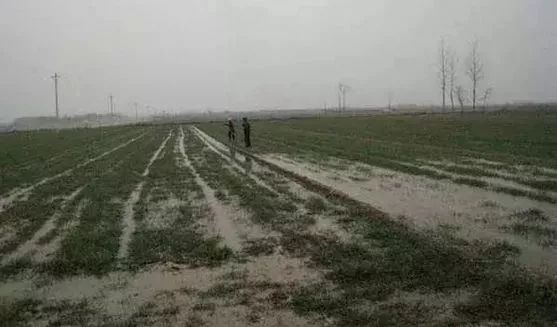
Which types of wheat require winter irrigation
According to soil moisture conditions, wheat fields with a field water holding capacity of less than 80% before winter and water irrigation conditions should be irrigated in winter. Timely monitoring of soil moisture, wheat fields with suitable moisture and strong seedlings can be exempted from winter water irrigation, and some weak seedling wheat fields can be irrigated with winter water early. Combined with irrigation, apply 5 kilograms of urea ammonium nitrogen fertilizer per mu to improve seedling growth and promote tillering.
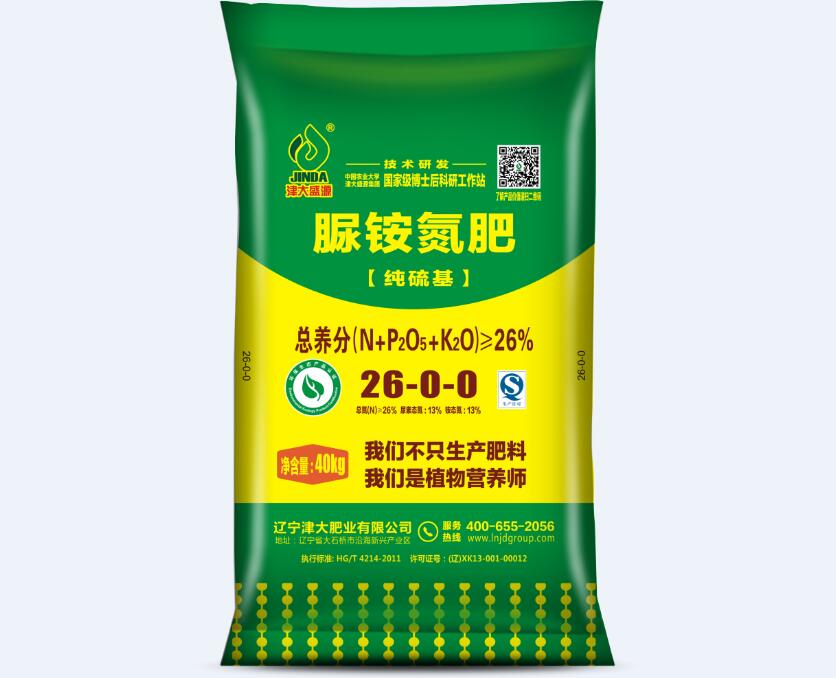
According to the seedling situation, wheat fields with more than 2 tillers per plant are more suitable for winter irrigation. Weak seedling wheat fields, especially late sowing single seedling wheat fields, are best not irrigated in winter, otherwise freezing damage may occur. Winter irrigation can be postponed or skipped for wheat fields that have grown excessively, in order to control their growth and promote their growth. In wetland wheat fields, the soil permeability is poor, and the wheat seedlings are prone to redness, yellowing, and even suffocation after winter irrigation. For these types of wheat fields, after irrigation with water and sufficient moisture before sowing, measures such as strengthening tillage and soil moisture preservation should be taken after tillering, so winter irrigation does not need to be considered.
Precautions for Winter Irrigation of Wheat
Timely: The appropriate time for winter irrigation of wheat generally starts when the daily average temperature drops to 8 ° C and ends around 5 ° C. The experience of the masses is that 'the night freezes and the day disappears, winter irrigation is just right'. Early winter irrigation results in higher temperatures, greater evaporation, and inability to achieve the desired effect; If winter irrigation is too late, the soil freezes and water cannot infiltrate in a timely manner, causing water on the ground to freeze. Wheat seedlings are prone to suffocation and death under the ice layer, or ice forms on the ground, lifting soil blocks, pulling apart wheat roots, and hanging wheat seedlings.
Suitable: The order of winter irrigation for wheat is generally to irrigate sticky soil and low-lying land with poor water permeability first, and then irrigate sandy soil with strong water permeability; First, irrigate the second and third types of wheat fields with insufficient bottom moisture or poor surface moisture, and then irrigate the wheat fields with better soil moisture, earlier sowing, and a trend of vigorous growth.
Moderate amount: The amount of water used for winter irrigation of wheat should not be too large, and it is advisable to irrigate thoroughly and completely on the same day. Generally, 30-40 cubic meters of water should be irrigated per acre. In order to save water, it is necessary to ensure the matching of channels and beds to prevent flooding. After winter irrigation, it is necessary to promptly hoe and loosen the soil, bridge cracks, in order to maintain moisture and increase temperature.
The amount of winter irrigation should not be too large to avoid the formation of ice crust on the ground surface when exposed to low temperatures, which can cause the upper part of the plant to freeze, the root system to suffocate, and tillers to die, resulting in reduced yield.
Irrigation in canal irrigation areas adopts small or narrow furrow irrigation, with 50-60m3 of irrigation per mu for small furrow irrigation, and 40m3 of irrigation per mu for well irrigation areas. For wheat fields with better soil moisture and seedling conditions, the amount of irrigation can be reduced as appropriate. Wheat fields with sprinkler irrigation conditions should be irrigated in small amounts multiple times, with 20m3 of water per mu. Combined with irrigation, foliar nitrogen fertilizer can be applied at a rate of 5kg per mu.
After winter irrigation, it is necessary to timely loosen the soil to avoid cracking hazards caused by soil compaction. Late broadcasting of wheat requires special attention. In addition to retaining moisture and preventing soil compaction, cracking, and aeration, digging and loosening the soil can also increase the ground temperature by about 1 ℃ from 0-10 cm, which is beneficial for promoting seedling growth.
Source: Plant Protection Knowledge