
News
Is humic acid fertilizer good or not? Let's all come and see the truth···
Humic acid is a natural mixture of organic macromolecules that is widely present in nature. Due to its unique physiological functions, it has been widely used in agricultural production in recent years. In addition to improving soil, increasing fertilizer efficiency, and promoting crop growth, its role in plant stress resistance is also receiving increasing attention.
Regarding plant stress resistance
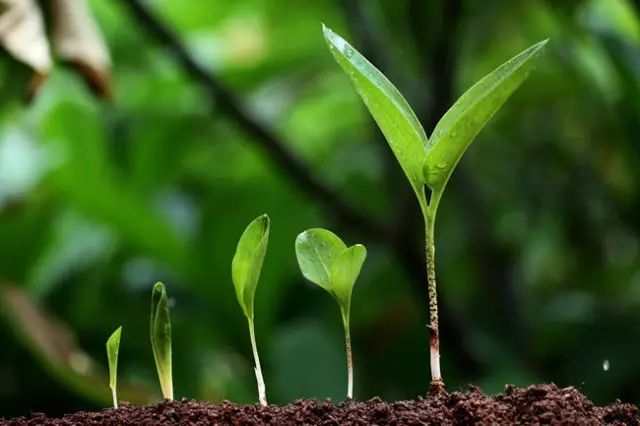
The plant body is an open system that exists in natural environments and is inevitably subject to damage from harsh environments. We usually refer to these environments that cause damage to plants as adversity (or stress), which can be further classified into the following categories:
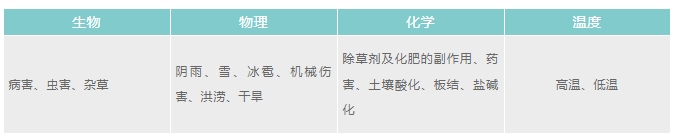
When these adversities arise, plants will undergo a series of changes, such as drought causing wilting of leaves and tender stems; Flooding causes yellowing and drying of leaves, browning and even rotting of roots; Under high temperature, the leaves turn brown, dead spots appear, and the bark cracks; Pathogenic bacteria infect leaves and cause disease spots.
Mild cases can affect the growth, development, yield, and quality of plants, and severe cases can even directly lead to their death.
Unlike humans and animals, plants cannot escape any danger they encounter. Since they cannot escape, plants can only seek second best and have developed the ability to withstand attacks. This is the origin of plant resistance.
Under drought conditions, plants maintain water balance by controlling the opening and closing of stomata in their leaves; Under high salinity environmental stress, by improving the permeability of cell membranes, a large amount of salt solution is prevented from entering the plant body; Even when suffering from pests and diseases, some plants can produce chemicals to resist or attract natural enemies of pests and diseases to eliminate them.
Generally speaking, plants have relatively low stress resistance during their peak growth period, but after entering dormancy, their stress resistance increases; The nutritional growth period has strong stress resistance, while the flowering period has weak stress resistance. But if adversity exceeds its tolerance, plants cannot escape misfortune.
Once adversity arises, we cannot change it, but if we can enhance the plant's own stress resistance, it may be a good way!
The role of humic acid in various adverse conditions

Plant drought stress
Under drought conditions, the application of fertilizers containing humic acid can promote the increase of proline content in plant leaves, enhance the water holding capacity of cells, and improve the activity of plant cell protective enzymes (nitrate reductase, superoxide dismutase, peroxidase, etc.), reduce cytoplasmic membrane permeability, and comprehensively improve crop drought resistance.
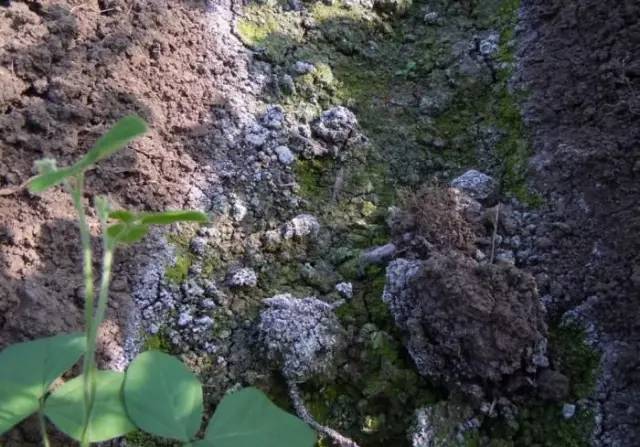
Plant salt alkali stress
Humic acid substances can indirectly enhance plant stress tolerance and resistance by improving soil physicochemical properties. In addition, humic acid can also alleviate crop membrane damage under salt stress by regulating changes in fructose concentration, thereby enhancing its salt resistance.
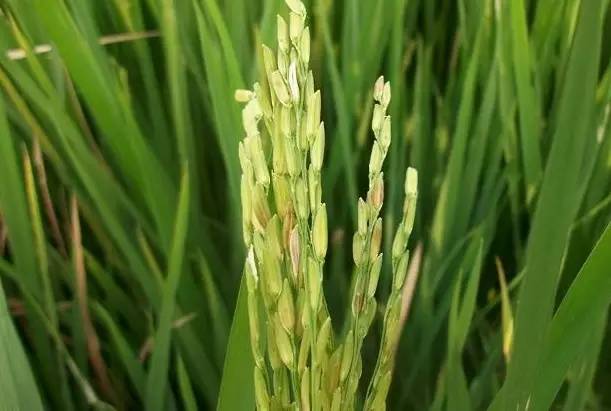
Plant temperature stress
Under low temperature stress, humic acid can increase crop proline and abscisic acid content, enhance polyphenol oxidase activity, and reduce the decrease in transpiration rate, stomatal conductance, and net photosynthetic rate of plants after low temperature stress to improve their cold resistance.
Under high temperature stress, humic acid also exhibits good performance. The activities of superoxide dismutase and peroxidase in crops have been increased, reducing the rate of superoxide anion production and the content of hydrogen peroxide, thereby enhancing the heat resistance of crops.
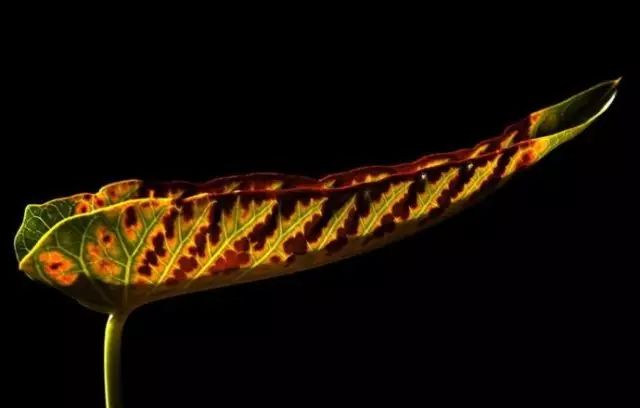
Distorted heartwood due to cadmium pollution
Plant heavy metal stress
Humic acid contains various functional groups that can fix heavy metals on the surface of soil particles through chelation, chelation, and reduction, thereby affecting their migration and reducing their water-soluble state, thus reducing their toxicity.
Meanwhile, humic acid can also alleviate the toxic effects of heavy metal cadmium on seedlings, mainly by inhibiting its absorption of cadmium and promoting its absorption and accumulation of nutrients such as copper, zinc, iron, and manganese.
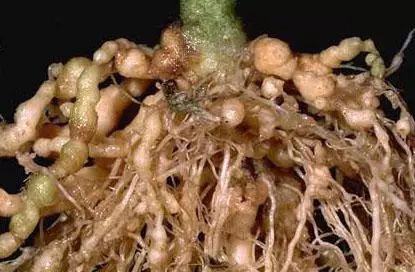
plant disease resistance
Humic acid can promote growth by increasing leaf sugar and chlorophyll content, indirectly enhancing crop disease resistance. At the same time, studies have shown that sodium humate can inhibit the germination of fungal spores in downy mildew, and when combined with other pesticides, it can significantly reduce the occurrence of downy mildew. At the same time, humic acid substances can enhance the control effect on root knot nematodes.
Phytic acid is widely used as a pesticide additive due to its special structure and function, which also proves that humic acid has a good effect on plant disease resistance.
Humic acid is an important component of organic matter, which can reduce fertilizer application, improve nutrient utilization efficiency, partially replace biosynthetic plant growth regulators, improve vegetable and fruit quality, enhance plant stress resistance, reduce the occurrence of pests and diseases, promote early plant growth and flowering. Its functions are very powerful and should be widely used.
At present, it is the hot and rainy summer season, and crops are constantly undergoing tests from the natural environment and pests and diseases. Making good use of humic acid will greatly benefit the growth of crops. In addition, seaweed extracts, which are also members of the biostimulant class, have outstanding efficacy. When using corresponding products, humic acid seaweed dual effect, such as sea elf biostimulant, can be chosen for better results.
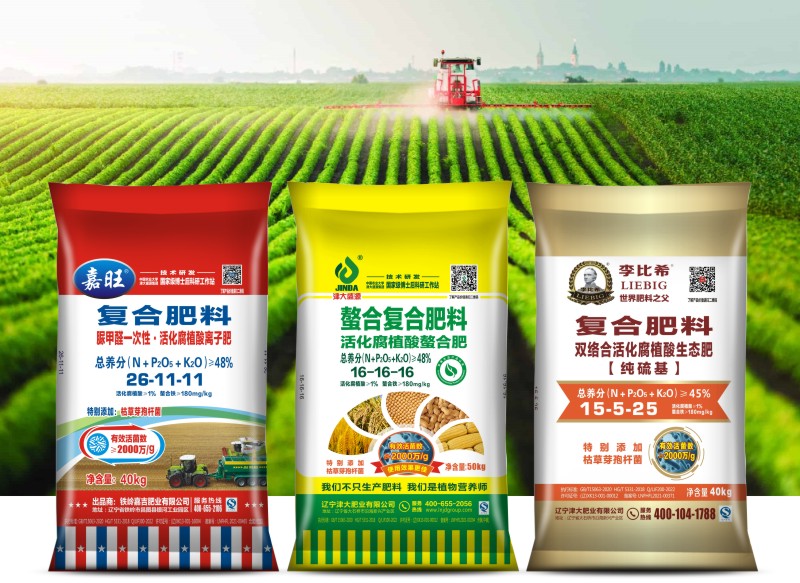
Activated Humic Acid Chelate Hefei - Jinda Shengyuan Group Invention Patent Product
Liaoning Jinda Shengyuan Group has successfully independently developed a "humic acid high-temperature rapid activation spraying device and spraying process". The anti flocculation highly active humic acid (mineral derived humic acid) prepared can form soluble humic acid salts and hydrophilic complex ions, solving the problem of FA being easily flocculated in hard water and liquid fertilizers at home and abroad. Activated humic acid exerts its own natural chelating agent effect, forming a black brown solution and multiple functional groups, capturing nutrients from the soil in multiple dimensions, and fully activating them to become nutrient elements that can be absorbed and utilized by plants, greatly improving the nutrient utilization rate in the soil, promoting crop growth, and chelating with heavy metals, pesticide residues, and other substances to reduce the harm of harmful substances in the soil to crops.
Source: Plant Protection Knowledge