News
The hazards of soil compaction!
Factors causing soil compaction:
The farmland soil texture is too sticky, the organic fertilizer is insufficient, the amount of straw returned to the field is reduced, and there are too many plastic products. The long-term single application of chemical fertilizers, repression, tillage and other agricultural measures, some local groundwater and industrial wastewater and toxic substances are high, causing soil hardening after rainstorm water and soil loss.
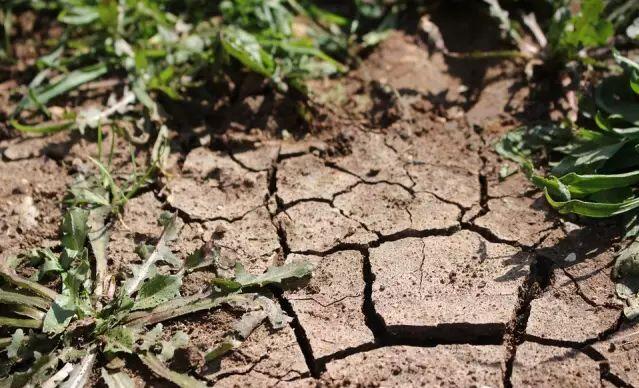
What is soil compaction:
It refers to the phenomenon where the surface layer of soil, due to a lack of organic matter and poor structure, experiences structural damage and soil material dispersion under external factors such as irrigation or rainfall. After drying, the soil surface becomes hardened due to cohesive forces.
How is soil compaction formed
(1) The content of organic matter is an important indicator of soil fertility and aggregate structure. The decrease of organic matter leads to soil compaction. The low organic matter content in soil affects the activity of microorganisms, thereby affecting the formation of soil aggregate structure and leading to soil compaction.
(2) When excessive potassium fertilizer is applied to the soil, the potassium ions in the potassium fertilizer have particularly strong substitutability, which can displace the multivalent cations that form the soil aggregate structure. Monovalent potassium ions do not have a bond bridging effect, and the bond bridges of the soil aggregate structure are destroyed, resulting in soil compaction.
(3) The granular structure of soil is an important indicator of soil fertility. The destruction of soil granular structure leads to a decrease in soil water and fertilizer retention capacity and permeability, resulting in soil compaction.
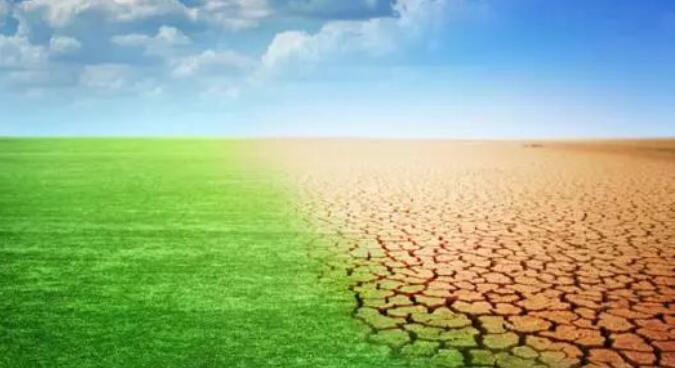
The hazards of soil compaction:
1. Obstruction of root respiration in plants
In the case of soil compaction or long-term waterlogging, the respiration of plant root cells is weakened, and nutrients such as nitrogen are mostly in the form of ions, which are absorbed through active transport and consume the energy produced by cell metabolism. Reduced breathing leads to insufficient energy supply, affecting absorption.
2. The root system of the plant cannot develop normally
Soil aggregate structure is an important indicator of soil fertility. The destruction of soil aggregate structure leads to a decrease in soil water and fertilizer retention capacity and permeability, resulting in soil compaction. Plants in this state will experience a decrease in root vitality due to hypoxia.
3. Causing plant nutrient deficiency syndrome
The symptoms of plant nutrient deficiency are not necessarily due to a lack of this element in the soil, but rather a decrease in root absorption capacity caused by a series of problems such as soil compaction, unsuitable soil acidity, or uneven soil water supply.
How to solve soil compaction?
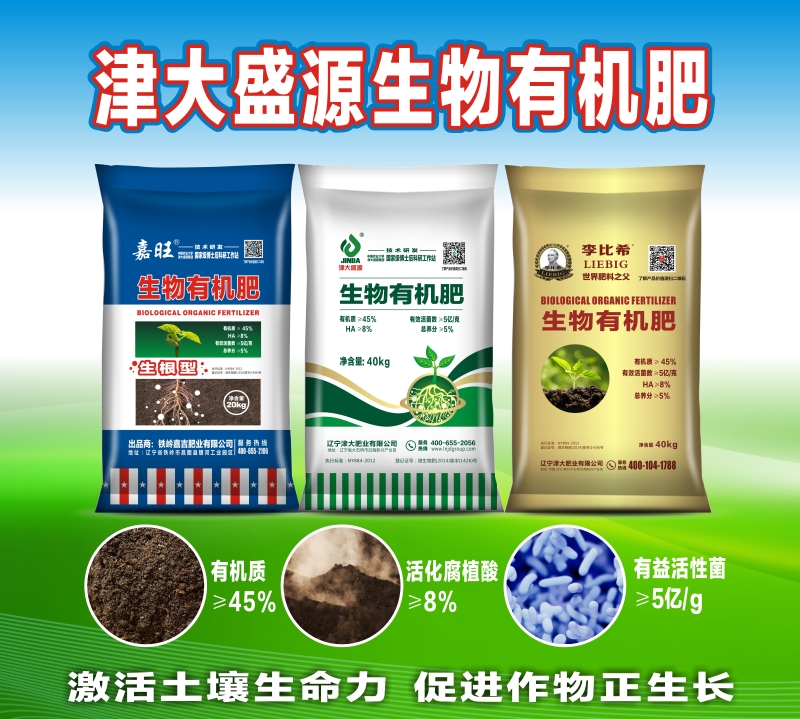
1. Increase the application rate of organic fertilizer. If using crop straw organic fertilizer and high-quality commodity organic fertilizer, it is best to apply high content microbial agents.
2. Reduce the amount of chemical fertilizers applied, improve farmers' understanding of the effects of various fertilizers, and use a reasonable formula for fertilizer application based on crop yield and soil fertility conditions. This not only controls the blind application of chemical fertilizers. It also reduces unreasonable investment, thereby increasing economic benefits.
3. Further promote dryland agriculture, implement sprinkler irrigation, or advocate the use of summer rainwater storage to fully utilize surface water. If conditions permit, deep well water can also be utilized.
4. Break the outdated farming methods, further promote straw returning to the field, no till covering, and make every effort to reduce unnecessary soil erosion to ensure that the soil structure is not damaged.

400-655-2056 / 400-655-2106

Dashiqiao coastal emerging industrial zone, Yingkou, Liaoning Province zip code: 115100